Urinary Incontinence and Pelvic Floor Prolapse
Urinary Incontinence and Pelvic Floor Prolapse
Common Yet Rarely Discussed
Unintentional urine leakage and a feeling of pressure or a foreign body in the lower abdomen are among the most common complaints among women—and among the least frequently discussed. Many suffer in silence for years because they find the topic uncomfortable or because they consider it an inescapable fate. Neither of these situations is necessary: Such complaints are common, they are no cause for shame, and in almost all cases, they can be effectively treated. Please reach out to us—we’ll address the issue with you openly and calmly.
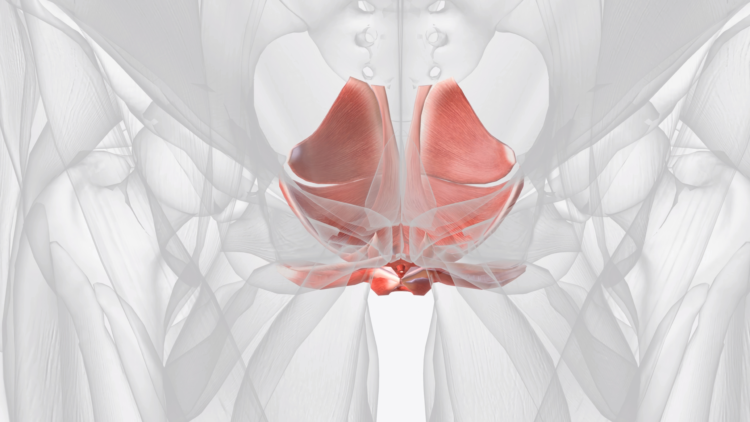
The pelvic floor lies at the root of most of these symptoms: a layer of muscles and connective tissue that, like a hammock, supports the bladder, uterus, and rectum and helps stabilize the sphincter muscles. If this tissue weakens—due to childbirth, hormonal changes during menopause, being overweight, chronic straining, or simply with age—it can lead to urinary incontinence, prolapse, or both.
Stress incontinence. In this case, you leak urine during physical exertion—such as coughing, laughing, sneezing, lifting, or exercising. The urethral sphincter can no longer withstand the sudden pressure; this is often caused by weakened connective tissue.
Urge incontinence (irritable bladder). In this case, you experience a sudden, almost uncontrollable urge to urinate, sometimes accompanied by urine leakage before you reach the bathroom. The bladder muscles are overactive and contract even though the bladder isn’t full yet.
Mixed form. Many women experience both types at the same time—in which case we treat both conditions.
If the pelvic floor’s supportive strength weakens, the pelvic organs can prolapse. Depending on which organ prolapses, the condition is referred to as bladder prolapse (cystocele), uterine prolapse, or rectal prolapse (rectocele). Typical symptoms include a sensation of downward pressure or a feeling of a foreign object, a pulling sensation in the lower abdomen that worsens toward evening, and sometimes difficulty urinating or having a bowel movement. Prolapse is not dangerous, but it can make daily life difficult—and it, too, is easily treatable.
We start with an open discussion and a gynecological exam, during which we assess the pelvic floor and check for possible prolapse. We often ask you to keep a simple bladder diary for a few days (recording fluid intake and urine output along with the time)—this provides a lot of information. If necessary, we use ultrasound to check whether the bladder is emptying properly; before any potential surgery, we assess bladder function more thoroughly (urodynamic testing), for which we’ll refer you to a specialized partner.
We almost always start with conservative measures—they are surprisingly effective in many cases.
Pelvic floor physical therapy. Targeted pelvic floor exercises under the guidance of a specialized physical therapist are the most important first step—for both stress incontinence and mild pelvic organ prolapse. However, they only work if you stick with them: regularly and over several months (NICE 2019).
Lifestyle and bladder training. Maintaining a healthy weight relieves pressure on the pelvic floor, and avoiding constipation and excessive straining further protects it. For an overactive bladder, bladder training helps: gradually increase the intervals between trips to the bathroom. Be sure to drink enough fluids, but not excessively, and limit beverages that irritate the bladder, such as coffee and alcohol.
Pessary. A pessary is a soft device (shaped like a ring or cube) that is inserted into the vagina to support the organs from the inside. It helps with organ prolapse and stress incontinence—without any surgery and can be removed at any time.
Local estrogen therapy. During and after menopause, tissue becomes thinner due to a lack of estrogen. Local estrogen treatment (cream or suppository) strengthens the tissue, alleviates symptoms, and prevents recurring bladder infections (more on this → “Menopause”).
Medications for an overactive bladder. If bladder training isn’t enough, there are effective medications that calm the overactive bladder muscles. We’ll discuss the benefits and possible side effects with you. If these don’t provide enough relief, there are other options—such as a Botox injection into the bladder wall, which specifically calms the bladder; for this, we’ll refer you to a specialized center.
Surgery. If symptoms persist despite these measures, there are proven surgical options—such as placing a small supportive sling under the urethra for stress incontinence or correcting a prolapse. We do not perform these procedures ourselves: We will discuss the options with you, refer you to a specialized urogynecology center, and continue to support you throughout the process.
Some women suffer from recurring bladder infections—especially after menopause, when the tissue becomes thinner and more sensitive. In such cases, local estrogen therapy is often helpful, as it strengthens the mucous membrane and makes it more resilient (more on this → “Menopause”). In addition, there are simple measures such as drinking enough fluids and, if necessary, targeted prevention. We’ll identify the cause and work with you to find a solution that significantly reduces the frequency of these infections.
The most important point to remember: Urinary incontinence and pelvic organ prolapse aren’t simply part of aging, and you don’t have to resign yourself to them. Even small steps can often make a big difference. Don’t hesitate to bring up the topic—we’re here to help.
More articles
on this topic
No posts found.
Medical content reviewed by Michael Singer, M.D. –